Buy fpci.eu ?
We are moving the project
fpci.eu .
Are you interested in purchasing the domain
fpci.eu ?
domain@kv-gmbh.de · 0541-91531010
Buy fpci.eu ?
What is signal transduction?
Signal transduction is the process by which cells convert extracellular signals into specific cellular responses. It involves a series of molecular events that relay the signal from the cell surface to the nucleus, where gene expression can be altered. This process is crucial for cells to respond appropriately to their environment and maintain homeostasis. Signal transduction pathways often involve the activation of protein kinases, second messengers, and transcription factors. **
Why is sensory transduction necessary?
Sensory transduction is necessary because it allows the body to convert various forms of environmental stimuli, such as light, sound, touch, and chemical signals, into electrical signals that can be interpreted by the nervous system. This process is essential for the body to perceive and respond to its surroundings, allowing for the detection of potential dangers, the regulation of bodily functions, and the experience of sensations such as taste, smell, and touch. Without sensory transduction, the body would not be able to effectively interact with its environment and respond to changes in its surroundings. **


Similar search terms for Transduction
Top-Angebote
Products related to Transduction:
-
SAGE Publications Case Study Research and Applications: Design and MethodsRecognized as one of the most cited methodology books in the social sciences, the Sixth Edition of Robert K. Yin′s bestselling text provides a complete portal to the world of case study research. With the integration of 11 applications in this edition, the book gives readers access to exemplary case studies drawn from a wide variety of academic and applied fields. Ultimately, Case Study Research and Applications will guide students in the successful use and application of the case study research method.59,99 £*Shipping: 0,00 £Secure redirect to the provider
-
Sesderma Reti Age 5 Liposomal Serum Anti-Aging Innovation 30mLA facial serum for wrinkles and signs of ageing. Reduces wrinkles and fine lines. Hydrates and strengthens barrier. Restores youthful radiance. 5-Retinoid System: smooths wrinkles, accelerates renewal, and boosts collagen. Biomimetic Peptides: fill expression lines by stimulating collagen synthesis.53,26 £*Shipping: 5,22 £Secure redirect to the provider
-
Stealth Gaming Headset Stand - Black - USB Connectivity - RGB LightingSleek curved black frame supports a wide range of headsets with weighted non-slip base. Customizable RGB lighting with 12 effects, USB powered with two ports. Suitable for PlayStation Xbox Nintendo Switch PC and mobile devices. No assembly required.17,83 £*Shipping: 3,95 £Secure redirect to the provider
-
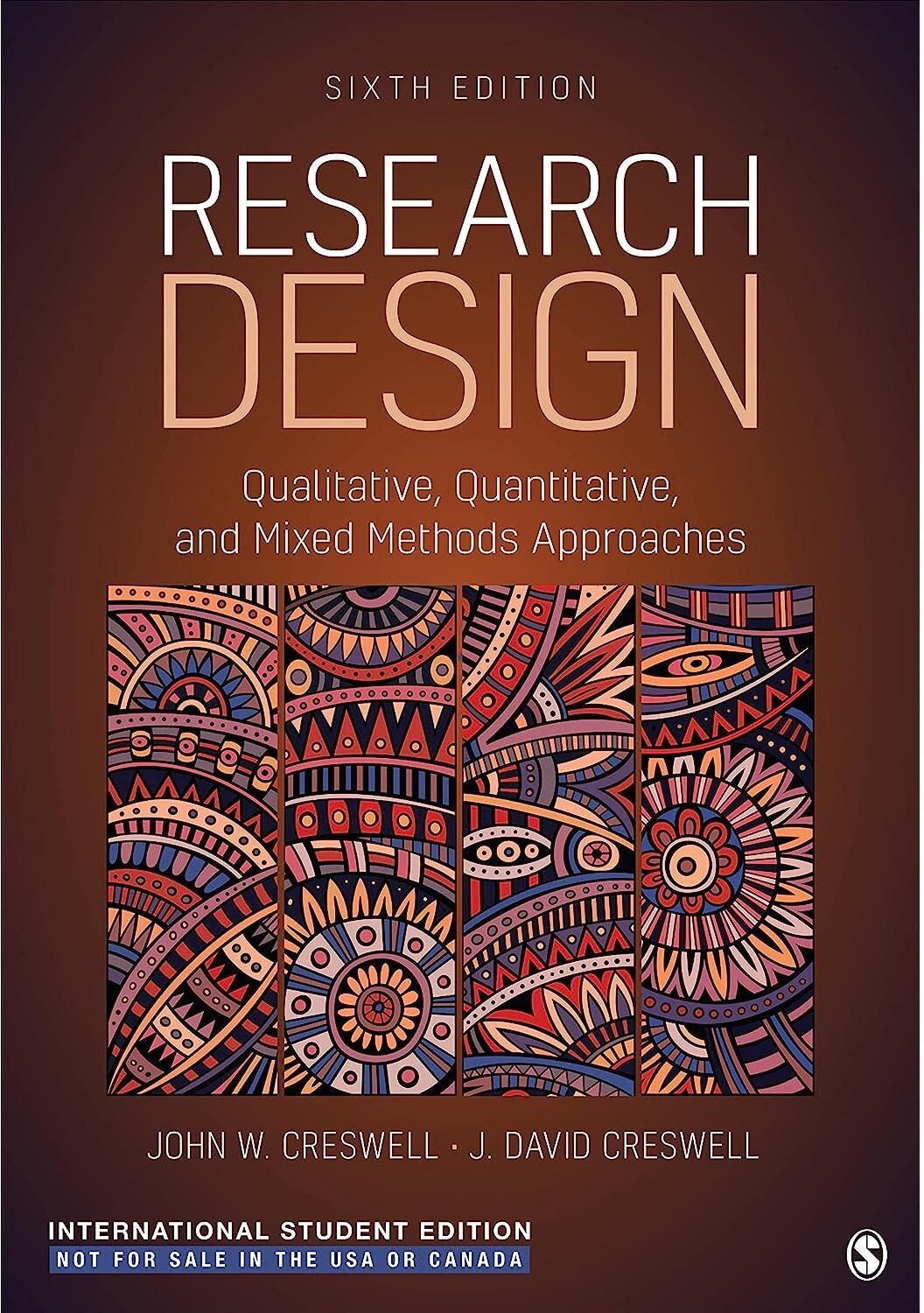
SAGE Publications Research Design - International Student Edition: Qualitative, Quantitative, and Mixed Methods ApproachesThe new edition of the best-selling text, Research Design: Qualitative, Quantitative, and Mixed Methods Approaches, continues the pioneering tradition of providing clear and concise instruction for understanding research and developing proposals for all three approaches. John W. Creswell and co-author J. David Creswell include a preliminary consideration of philosophical assumptions, a review of the literature, an assessment of the use of theory in research approaches, and reflections about the importance of writing and ethics in scholarly inquiry in a way that is applicable to all types of research. Key elements of the research process, giving specific attention to each approach. The book has been lauded for its language and tone, which are both accessible and inviting. It is a text that students keep and continue to use as a resource throughout their studies, once the specific class is over. The Sixth Edition includes more coverage of community-based participatory research, comparisons of qualitative and quantitative research, an expanded glossary with basic terms, updated examples of social, behavioural, and health research, new coverage of ethical requirements, updated APA 7th edition coverage, and additional exercises aimed at research projects.59,95 £*Shipping: 0,00 £Secure redirect to the provider



-
What is transduction in the eye?
Transduction in the eye refers to the process by which light energy is converted into electrical signals that can be interpreted by the brain. This process occurs in the retina, where specialized cells called photoreceptors (rods and cones) capture light and convert it into electrical signals. These signals are then transmitted to the brain via the optic nerve, where they are processed and interpreted as visual information. **
-
How does the process of signal transduction proceed?
Signal transduction is a process by which a cell converts an extracellular signal into a specific cellular response. It typically involves a series of steps, starting with the binding of a signaling molecule to a receptor on the cell surface. This binding triggers a cascade of events inside the cell, often involving the activation of various proteins and second messengers. Ultimately, this leads to changes in gene expression, cell metabolism, or other cellular functions to produce the desired response to the initial signal. **
-
How can one explain signal transduction and signal transmission?
Signal transduction is the process by which a cell converts an extracellular signal into a specific cellular response. This process typically involves a series of molecular events, including the binding of a signaling molecule to a receptor on the cell surface, activation of intracellular signaling pathways, and ultimately leading to changes in gene expression, metabolism, or other cellular functions. Signal transmission, on the other hand, refers to the propagation of the signal from one cell to another, often through the release of signaling molecules such as hormones or neurotransmitters. Together, signal transduction and signal transmission allow cells to communicate with each other and coordinate their activities in response to external stimuli. **
-
What is the photo transduction in the dark current during exposure?
Photo transduction in the dark current during exposure refers to the process by which light-sensitive photoreceptor cells in the retina convert light stimuli into electrical signals. In the dark, photoreceptor cells are depolarized and continuously release neurotransmitters, which keeps the cells in a state of constant activity. When light hits the photoreceptor cells, it triggers a series of biochemical reactions that hyperpolarize the cells, reducing neurotransmitter release and signaling the presence of light to the brain. This process allows for the perception of light and the formation of visual images. **


What is the photo transduction in the dark current during illumination?
Photo transduction in the dark current during illumination refers to the process by which light activates photoreceptor cells in the retina. When light hits the photoreceptor cells, it triggers a cascade of biochemical reactions that ultimately lead to the hyperpolarization of the cell membrane. This hyperpolarization reduces the release of neurotransmitters, which in turn sends signals to the brain for visual processing. Overall, photo transduction in the dark current during illumination is a crucial step in converting light stimuli into neural signals for vision. **
What is the photo transduction in the dark current upon exposure to light?
In the dark current, photoreceptors are depolarized due to the constant influx of sodium ions. Upon exposure to light, photons are absorbed by the photopigments in the photoreceptor cells, leading to a series of biochemical reactions that ultimately result in the closure of sodium channels. This closure of sodium channels hyperpolarizes the cell, reducing the release of neurotransmitters and signaling the presence of light to the brain. **
Top-Angebote
Products related to Transduction:
-
Board and Dice Nucleum Energy Research Institute Board Game - Strategic Economic Board Game with Energy Networks and Research DevelopmentBuild an industrial empire in an alternate twentieth century transformed by the Uranium Revolution. Compete to develop powerful energy networks, attract investment, and earn the support of influential patrons. Plan routes, expand research, and connect cities as you develop increasingly ambitious technologies. Every decision affects progress, from constructing facilities to pursuing contracts and partnerships. Resource management and long-term planning are essential to succeed.23,20 £*Shipping: 3,95 £Secure redirect to the provider
-
Ring Battery Video Doorbell Pro – Advanced Home Security & Connectivity, NewUpgrade your home security with the Ring Battery Video Doorbell Pro – Wireless Video Doorbell Security Camera . Designed to give you peace of mind, it delivers a head-to-toe 1536p HD view so you can see every detail clearly, from visitors to parcels at your doorstep. With advanced 3D Motion Detection and Bird’s Eye View , you’ll always know what’s happening around your home. The built-in colour night vision ensures crisp images even in the dark, while the wire-free battery design makes installation simple and flexible. Stay connected anywhere with instant notifications, two-way talk, and full integration with the Ring app, Alexa devices, and more. ✔️ Wireless video doorbell – Easy to install with a rechargeable battery, no wiring needed ✔️ 1536p HD head-to-toe view – See visitors and packages clearly in high definition ✔️ 3D Motion Detection & Bird’s Eye View – Advanced alerts and aerial perspective for extra security ✔️ Colour night vision – Crystal-clear video even in low light or darkness ✔️ Two-way talk with noise cancellation – Hear and speak to visitors in real time ✔️ Customisable motion zones – Focus on the areas that matter most ✔️ Smart alerts & notifications – Instant updates on your phone via the Ring app ✔️ Alexa compatible – Works seamlessly with Echo devices for hands-free monitoring ✔️ Quick-release battery pack – Easy to recharge and swap for uninterrupted security ✔️ Durable design – Built to withstand outdoor weather conditions The Ring Battery Video Doorbell Pro combines advanced motion detection, high-definition video, and smart home integration in one sleek device. Perfect for enhancing your home security, it ensures you never miss a visitor or delivery, day or night.174,49 £*Shipping: 0,00 £Secure redirect to the provider
-
SAGE Publications Case Study Research and Applications: Design and MethodsRecognized as one of the most cited methodology books in the social sciences, the Sixth Edition of Robert K. Yin′s bestselling text provides a complete portal to the world of case study research. With the integration of 11 applications in this edition, the book gives readers access to exemplary case studies drawn from a wide variety of academic and applied fields. Ultimately, Case Study Research and Applications will guide students in the successful use and application of the case study research method.59,99 £*Shipping: 0,00 £Secure redirect to the provider
-
Sesderma Reti Age 5 Liposomal Serum Anti-Aging Innovation 30mLA facial serum for wrinkles and signs of ageing. Reduces wrinkles and fine lines. Hydrates and strengthens barrier. Restores youthful radiance. 5-Retinoid System: smooths wrinkles, accelerates renewal, and boosts collagen. Biomimetic Peptides: fill expression lines by stimulating collagen synthesis.53,26 £*Shipping: 5,22 £Secure redirect to the provider
-
What is signal transduction?
Signal transduction is the process by which cells convert extracellular signals into specific cellular responses. It involves a series of molecular events that relay the signal from the cell surface to the nucleus, where gene expression can be altered. This process is crucial for cells to respond appropriately to their environment and maintain homeostasis. Signal transduction pathways often involve the activation of protein kinases, second messengers, and transcription factors. **
-
Why is sensory transduction necessary?
Sensory transduction is necessary because it allows the body to convert various forms of environmental stimuli, such as light, sound, touch, and chemical signals, into electrical signals that can be interpreted by the nervous system. This process is essential for the body to perceive and respond to its surroundings, allowing for the detection of potential dangers, the regulation of bodily functions, and the experience of sensations such as taste, smell, and touch. Without sensory transduction, the body would not be able to effectively interact with its environment and respond to changes in its surroundings. **
-
What is transduction in the eye?
Transduction in the eye refers to the process by which light energy is converted into electrical signals that can be interpreted by the brain. This process occurs in the retina, where specialized cells called photoreceptors (rods and cones) capture light and convert it into electrical signals. These signals are then transmitted to the brain via the optic nerve, where they are processed and interpreted as visual information. **
-
How does the process of signal transduction proceed?
Signal transduction is a process by which a cell converts an extracellular signal into a specific cellular response. It typically involves a series of steps, starting with the binding of a signaling molecule to a receptor on the cell surface. This binding triggers a cascade of events inside the cell, often involving the activation of various proteins and second messengers. Ultimately, this leads to changes in gene expression, cell metabolism, or other cellular functions to produce the desired response to the initial signal. **
Similar search terms for Transduction
-
Stealth Gaming Headset Stand - Black - USB Connectivity - RGB LightingSleek curved black frame supports a wide range of headsets with weighted non-slip base. Customizable RGB lighting with 12 effects, USB powered with two ports. Suitable for PlayStation Xbox Nintendo Switch PC and mobile devices. No assembly required.17,83 £*Shipping: 3,95 £Secure redirect to the provider
-
SAGE Publications Research Design - International Student Edition: Qualitative, Quantitative, and Mixed Methods ApproachesThe new edition of the best-selling text, Research Design: Qualitative, Quantitative, and Mixed Methods Approaches, continues the pioneering tradition of providing clear and concise instruction for understanding research and developing proposals for all three approaches. John W. Creswell and co-author J. David Creswell include a preliminary consideration of philosophical assumptions, a review of the literature, an assessment of the use of theory in research approaches, and reflections about the importance of writing and ethics in scholarly inquiry in a way that is applicable to all types of research. Key elements of the research process, giving specific attention to each approach. The book has been lauded for its language and tone, which are both accessible and inviting. It is a text that students keep and continue to use as a resource throughout their studies, once the specific class is over. The Sixth Edition includes more coverage of community-based participatory research, comparisons of qualitative and quantitative research, an expanded glossary with basic terms, updated examples of social, behavioural, and health research, new coverage of ethical requirements, updated APA 7th edition coverage, and additional exercises aimed at research projects.59,95 £*Shipping: 0,00 £Secure redirect to the provider
-
Uplift Essentials N50 High Efficiency Cat Litter Deodorizer Blocks N50 High Efficiency Cat Litter Deodorizer BlocksTake control of your homes air quality with the N50 cat litter deodorizer blocks. These professionalgrade odor eliminators are engineered to neutralize stubborn ammonia and waste smells at the source, rather than just masking them with heavy...142,97 $*Shipping: 0,00 $Secure redirect to the provider
-
HARPERCOLLINS Creative Confidence by Tom & David Kelley – Unleashing Your Creative Potential & Innovation MindsetA powerful and inspiring book from the founders of IDEO, the award-winning design firm, on unleashing the creativity that lies within each and every one of us. Too often, companies and individuals assume that creativity and innovation are the domain of the ‘creative types’. But two of the foremost experts in innovation, design and creativity on the planet show us that each and every one of us is creative. In an entertaining and inspiring narrative that draws on countless stories from their work at IDEO, and with many of the world's top companies and design firms, David and Tom Kelley identify the principles and strategies that will allow us to tap into our creative potential in our work lives, and in our personal lives, allow us to think outside the box in terms of how we approach and solve problems. ‘Creative Confidence’ is a book that will help each of us be more productive and successful in our lives and in our careers.4,95 £*Shipping: 1,99 £Secure redirect to the provider
-
How can one explain signal transduction and signal transmission?
Signal transduction is the process by which a cell converts an extracellular signal into a specific cellular response. This process typically involves a series of molecular events, including the binding of a signaling molecule to a receptor on the cell surface, activation of intracellular signaling pathways, and ultimately leading to changes in gene expression, metabolism, or other cellular functions. Signal transmission, on the other hand, refers to the propagation of the signal from one cell to another, often through the release of signaling molecules such as hormones or neurotransmitters. Together, signal transduction and signal transmission allow cells to communicate with each other and coordinate their activities in response to external stimuli. **
-
What is the photo transduction in the dark current during exposure?
Photo transduction in the dark current during exposure refers to the process by which light-sensitive photoreceptor cells in the retina convert light stimuli into electrical signals. In the dark, photoreceptor cells are depolarized and continuously release neurotransmitters, which keeps the cells in a state of constant activity. When light hits the photoreceptor cells, it triggers a series of biochemical reactions that hyperpolarize the cells, reducing neurotransmitter release and signaling the presence of light to the brain. This process allows for the perception of light and the formation of visual images. **
-
What is the photo transduction in the dark current during illumination?
Photo transduction in the dark current during illumination refers to the process by which light activates photoreceptor cells in the retina. When light hits the photoreceptor cells, it triggers a cascade of biochemical reactions that ultimately lead to the hyperpolarization of the cell membrane. This hyperpolarization reduces the release of neurotransmitters, which in turn sends signals to the brain for visual processing. Overall, photo transduction in the dark current during illumination is a crucial step in converting light stimuli into neural signals for vision. **
-
What is the photo transduction in the dark current upon exposure to light?
In the dark current, photoreceptors are depolarized due to the constant influx of sodium ions. Upon exposure to light, photons are absorbed by the photopigments in the photoreceptor cells, leading to a series of biochemical reactions that ultimately result in the closure of sodium channels. This closure of sodium channels hyperpolarizes the cell, reducing the release of neurotransmitters and signaling the presence of light to the brain. **
* All prices are inclusive of VAT and, if applicable, plus shipping costs. The offer information is based on the details provided by the respective shop and is updated through automated processes. Real-time updates do not occur, so deviations can occur in individual cases. ** Note: Parts of this content were created by AI.